

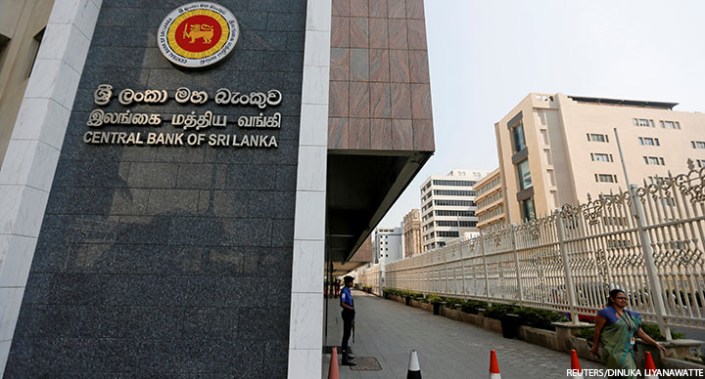
Sri Lanka’s economy shrank 8.4% in the quarter through June from a year ago in one of the steepest declines seen in a three-month period, amid fertiliser and fuel shortages during the nation’s most severe financial crisis in more than seven decades.
An acute dollar shortage, caused by economic mismanagement and the impact of the COVID-19 pandemic, has left residents struggling to pay for essential imports including food, fuel, fertiliser, and medicine.
The state-run Department of Census and Statistics said agriculture shrank 8.4% in the second quarter and industries by 10%, while services dropped 2.2%, compared with a year ago.
A shortage of chemical fertilisers during the quarter impacted agriculture production, especially the country’s staple, rice, while restrictions imposed on fuel imports reduced manufacturing activity, the government said.
In the first quarter, the island of 22 million people saw its economy contract by 1.6%. Sri Lanka’s central bank estimates the economy to contract by about 8% in 2022.
“This is the second steepest contraction we have ever seen. The last was when Sri Lanka posted negative growth of 16% in the Q2 of 2020 due to COVID-19 pandemic lockdowns,” said Dimantha Mathew, head of research at First Capital. “We are expecting Q3 and Q4 growth to be negative as well and for overall growth to contract by 10% to 12%. Inflation has continued to grow in the Q3 and has hit private sector consumption, which will likely spill over into the fourth quarter.”
Sri Lanka reached a staff-level agreement for a $2.9 billion bailout with the International Monetary Fund (IMF) earlier this month, but it has to restructure its debt with private bondholders and bilateral creditors before getting disbursements.
Reuters reported on Thursday that India, the biggest provider of aid this year to its southern neighbour, does not plan to provide fresh financial support on top of the nearly $4 billion it has extended to Sri Lanka in 2022.