The 2018 Winter Olympics begin in early February in PyeongChang, South Korea, with events at venues across the region including the Alpensia Ski Jumping Centre, pictured here. While ski jumpers and national pride are bound to soar, the outlook for the Olympics and winter sports overall as growth areas is uncertain, according to PwC’s annual survey of sports industry stakeholders. The survey report, Sports: The Most Disrupted of All Industries?, highlights trends the games are facing: an ageing customer base, technology companies rewriting how people consume the events, and competition from dominant sports rivalling them for attention. A majority of the survey respondents (68%) thought virtual and augmented reality would enhance the viewer experience of sports in general. In one sign of change, the International Olympic Committee has partnered with Intel through 2024 to leverage VR and 360 technologies, among others. Let the games begin!
High flying again?
The Olympics turn to VR and 360 technologies to counter sluggish growth.Please note: This item is from our archives and was published in 2018. It is provided for historical reference. The content may be out of date and links may no longer function.
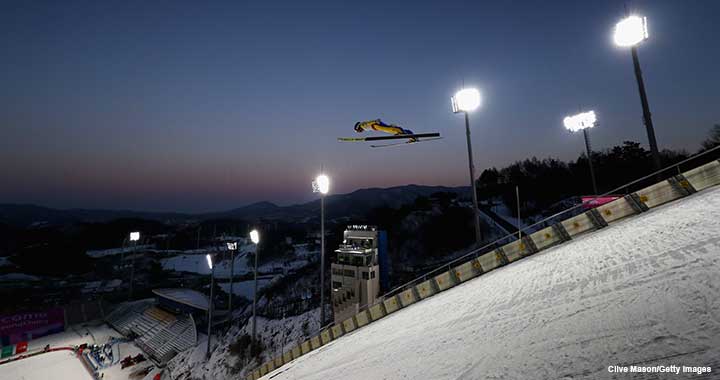
Philipp Aschenwald of Austria in action at the ski jumping centre that will host the event for the 2018 Winter Olympics in February.